Professional Soft House Washing in Charlotte, NC
The Safe Way to Remove Algae, Mold & Mildew From Your Home
Restore your home's curb appeal with professional soft house washing that safely removes algae, mold, mildew, dirt, pollen, and organic buildup without the damaging effects of high pressure. Every house wash is personally performed by the owner and backed by our 100% Satisfaction Guarantee—or it's free
Welcome to CLT Property Detailing & Pressure Washing, where professional house washing is performed with the care, experience, and attention to detail your home deserves. As Charlotte's owner-operated exterior cleaning specialist, we use professional soft washing methods to safely eliminate algae, mold, mildew, dirt, pollen, spider webs, and other organic buildup without exposing your home's exterior to the damaging effects of high pressure. Every cleaning solution is carefully selected to deliver exceptional results while protecting your siding, trim, soffits, fascia, gutters, windows, shutters, and surrounding landscaping.
From established Charlotte neighborhoods like Myers Park, Dilworth, SouthPark, and Highland Creek to nearby communities including Matthews, Huntersville, Concord, and Waxhaw, homeowners trust CLT Property Detailing & Pressure Washing for honest flat-rate pricing, meticulous attention to detail, and a 100% Satisfaction Guarantee—if you're not completely satisfied, the service is free.
Simple Flat-Rate House Washing Pricing. No Quotes. No Surprises.
Finding honest house washing prices in Charlotte shouldn't require scheduling an estimate or sitting through a sales pitch. That's why CLT Property Detailing & Pressure Washing offers simple flat-rate pricing that lets you know exactly what you'll pay before we ever arrive. No hidden fees, no surprise add-ons, and no pressure to purchase extra services you don't need.
We believe your home deserves a uniformly clean curb appeal. That's why every flat-rate house wash includes a FREE deep surface driveway cleaning at absolutely no additional cost. While many companies treat driveway cleaning as a separate add-on service, with CLT Property Detailing it comes standard with every house wash in order to provide homeowners with a uniformly clean curb appeal at an affordable cost.
We believe in providing exceptional value, while also delivering customers a all inclusive quality cleaning service at the most honest and affordable rate in the Queen City
See Why Charlotte Homeowners Choose CLT Property Detailing
Recent House Washing Projects in Charlotte, NC
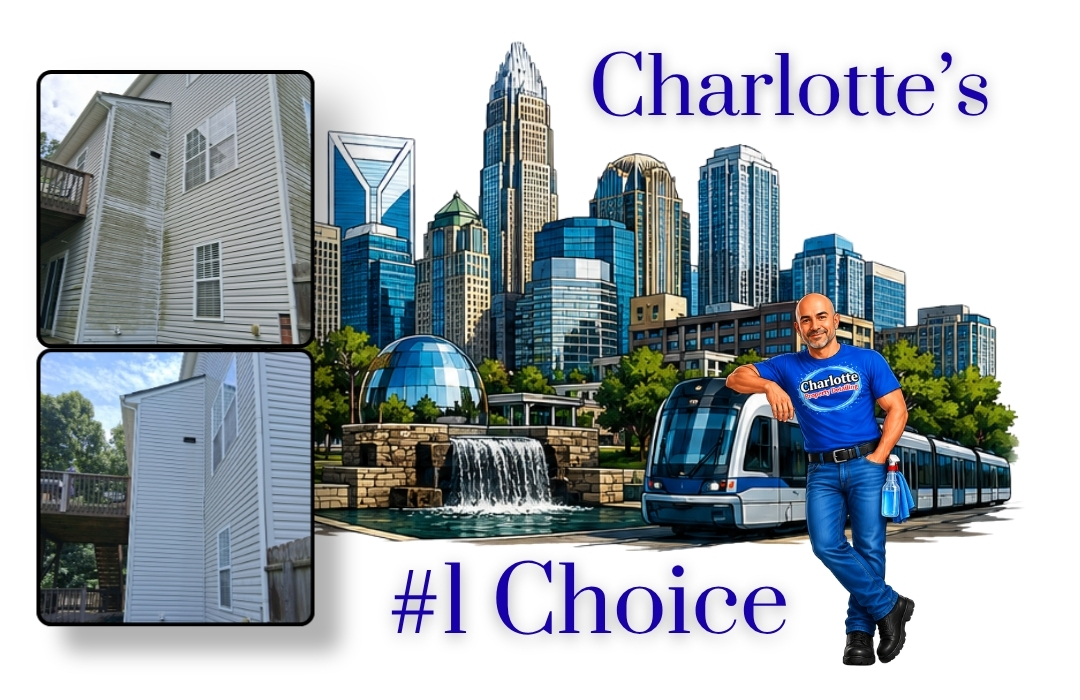
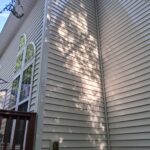
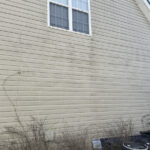
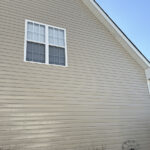
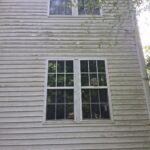
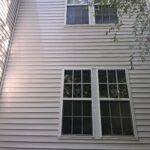
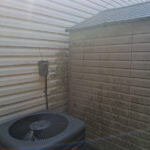
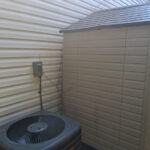
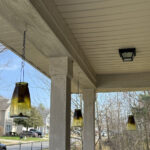
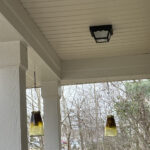
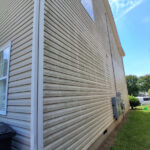
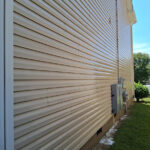
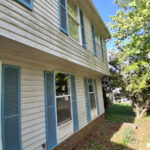
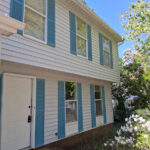
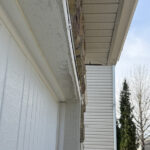
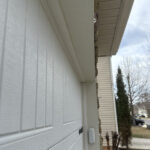
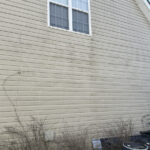
Explore recent house washing projects completed throughout Charlotte and nearby communities. Each gallery image shows real work performed on local homes, including siding affected by algae, mold, mildew, and accumulated exterior dirt
What's Included with Every Flat-Rate House Wash?
No hidden charges. No confusing packages. From the siding to the finishing details, every flat-rate house wash includes all the exterior surfaces listed below, so you know exactly what's being cleaned before we ever arrive
Our Professional Soft House Washing Process
Soft washing is far more than simply spraying your home with water. It requires the proper training, specialized equipment, and professional-grade cleaning solutions to safely remove mold, algae, mildew, and other organic buildup without causing damage. As a Certified Exterior Cleaning Technician with nearly 20 years of hands-on experience, I follow a proven soft washing process that delivers exceptional, long-lasting results while protecting the surfaces that make your house a home.

Meet the Owner & Your Lead Technician
Hi, I'm Jerry Johnson. Hiring a pressure washing company means inviting a stranger onto your property. That's why I believe you should know exactly who you'll be working with.
Before relocating to Charlotte, I was recognized by multiple Milwaukee news stations for both my professional exterior cleaning work and my dedication to giving back to the community. Those recognitions weren't paid advertisements—they were earned through years of serving homeowners, businesses, and neighborhoods with honesty, professionalism, and integrity.
Are You Ready To Book Your Soft House Wash?
Or, you can fill out the short form and Jerry will contact you at your at your own convenance.
House Washing Learning Center
Whether you're researching soft house washing before hiring a professional or simply want to better understand what's happening to your home's exterior, you've come to the right place. With nearly 20 years of hands-on exterior cleaning experience, I've answered thousands of homeowner questions about algae, mold, soft washing, siding maintenance, and protecting a home's curb appeal. Below, I've put together some of the most common questions I hear every day, along with straightforward answers based on real-world experience—not marketing hype.
What Is That Green Stuff Growing on My House?
If you've noticed green streaks, black stains, or dark patches spreading across your siding, you're certainly not alone. It's one of the most common reasons homeowners throughout Charlotte call for a professional house wash. The good news is that, in most cases, your home isn't deteriorating—it's simply becoming home to living organic growth that thrives in our warm, humid climate.
Many homeowners assume these stains are nothing more than dirt or pollution. In reality, they're often made up of algae, mold, mildew, moss, or lichen. Each develops for different reasons, grows under different conditions, and responds differently to cleaning methods. Understanding what's actually growing on your home is the first step toward protecting both its appearance and its long-term condition

Green Algae
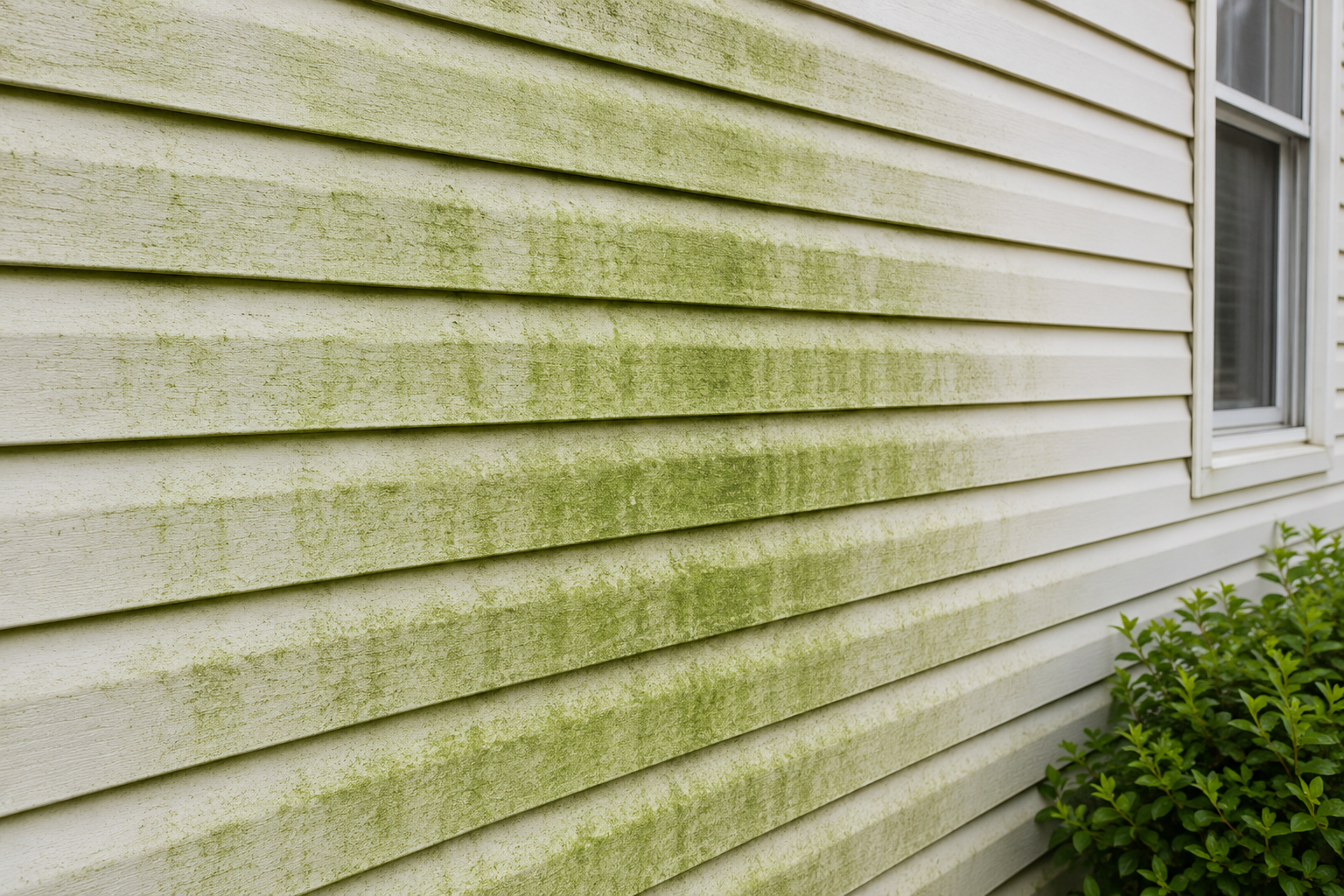
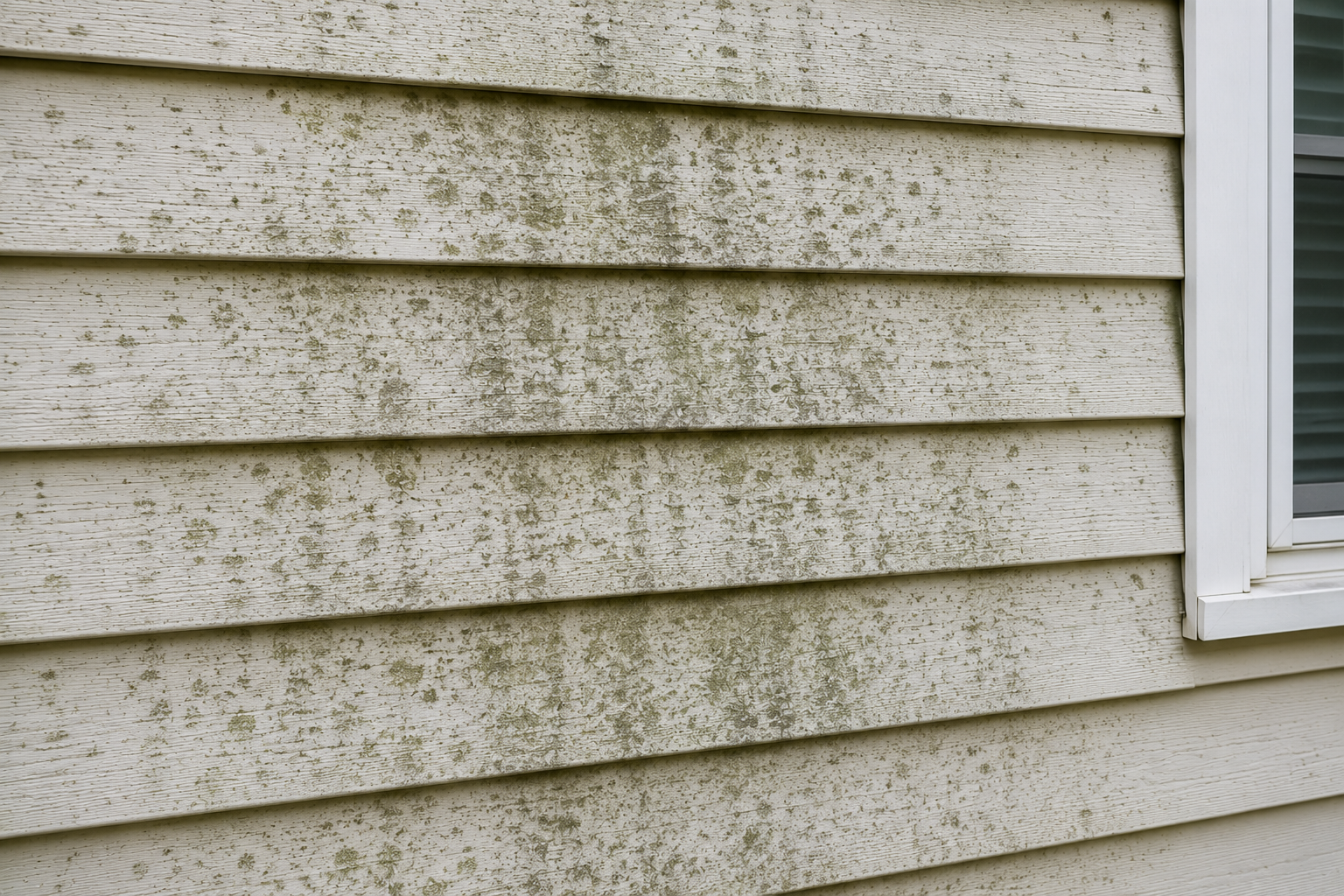
The bright green staining commonly found on vinyl siding is usually algae. Tiny airborne algae spores are constantly floating through the environment. Once they land on a damp section of your home's exterior, they begin feeding on moisture, pollen, dust, and other organic matter that naturally settles on siding over time.
Charlotte's climate creates ideal conditions for algae growth. Warm temperatures, high humidity, regular rainfall, and long growing seasons allow algae to remain active for much of the year. Homes surrounded by mature trees or with heavily shaded sides often develop green staining much faster because those areas stay damp longer after rain and receive less direct sunlight.
Although algae may begin as a cosmetic issue, allowing it to build up year after year creates thicker organic growth that's more difficult to remove and can leave your home looking neglected
Black Staining
One of the most common questions I hear is:
"Why are there black streaks on my siding?"
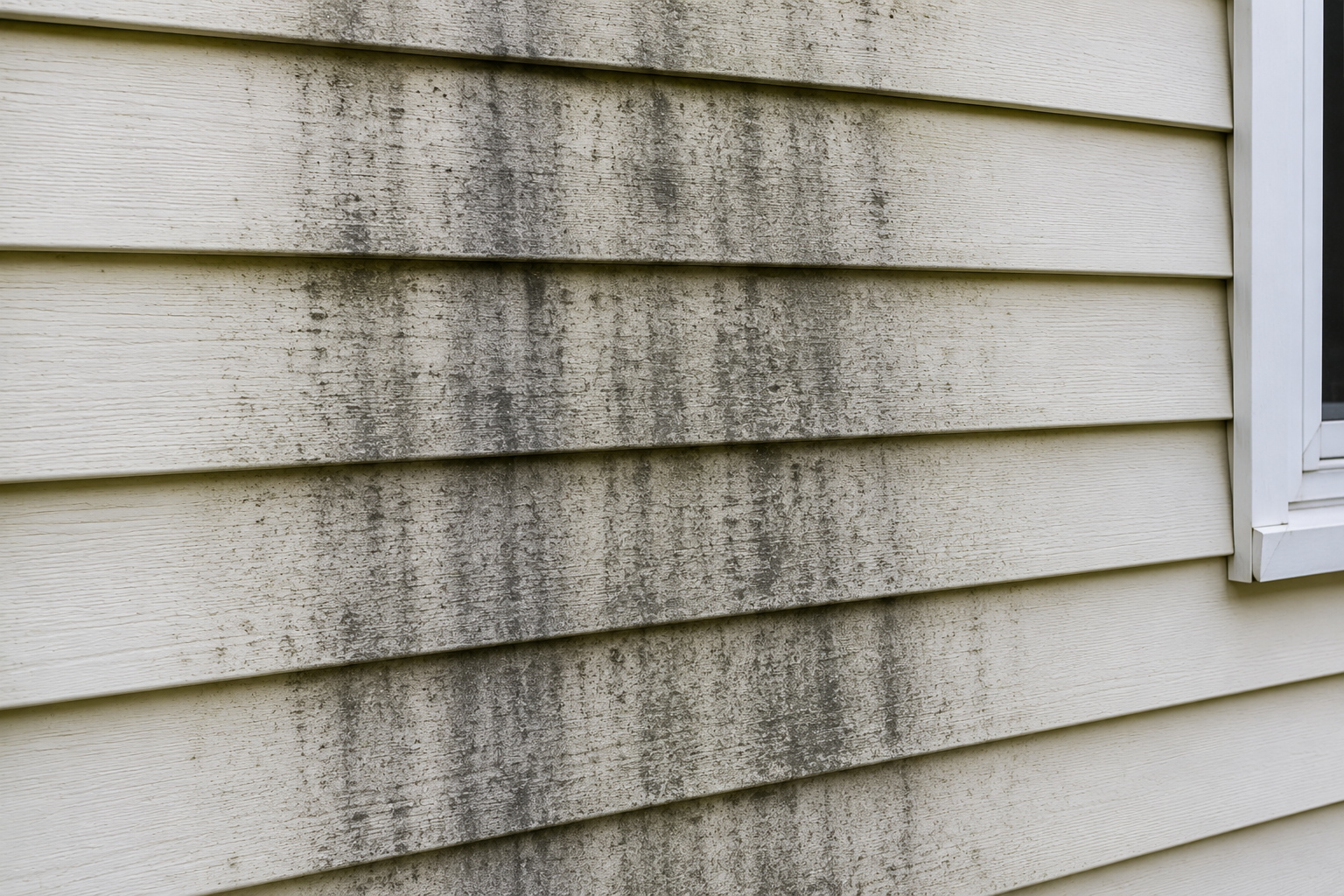
In many cases, those stains are caused by a type of airborne algae that creates dark discoloration as it grows across the surface. Because the staining develops gradually, many homeowners don't notice how severe it has become until they compare it to an area that has recently been cleaned.
Unlike ordinary dirt, these black stains won't disappear with rain and usually can't be removed by simply spraying the house with water. They require the proper soft washing solution to break down the organic growth before being gently rinsed away
Mold & Mildew
While algae usually creates green or dark staining, mold and mildew are fungi that thrive in damp, shaded environments with poor airflow.
You'll often find mold and mildew:
Under soffits
Behind shrubs
Around downspouts
Near gutters
On shaded siding
Around decks and fences
Besides creating an unattractive appearance, mold and mildew can continue spreading as long as moisture remains available. That's why simply blasting the surface with water often provides only temporary improvement if the organisms themselves aren't properly treated.
Moss & Lichen
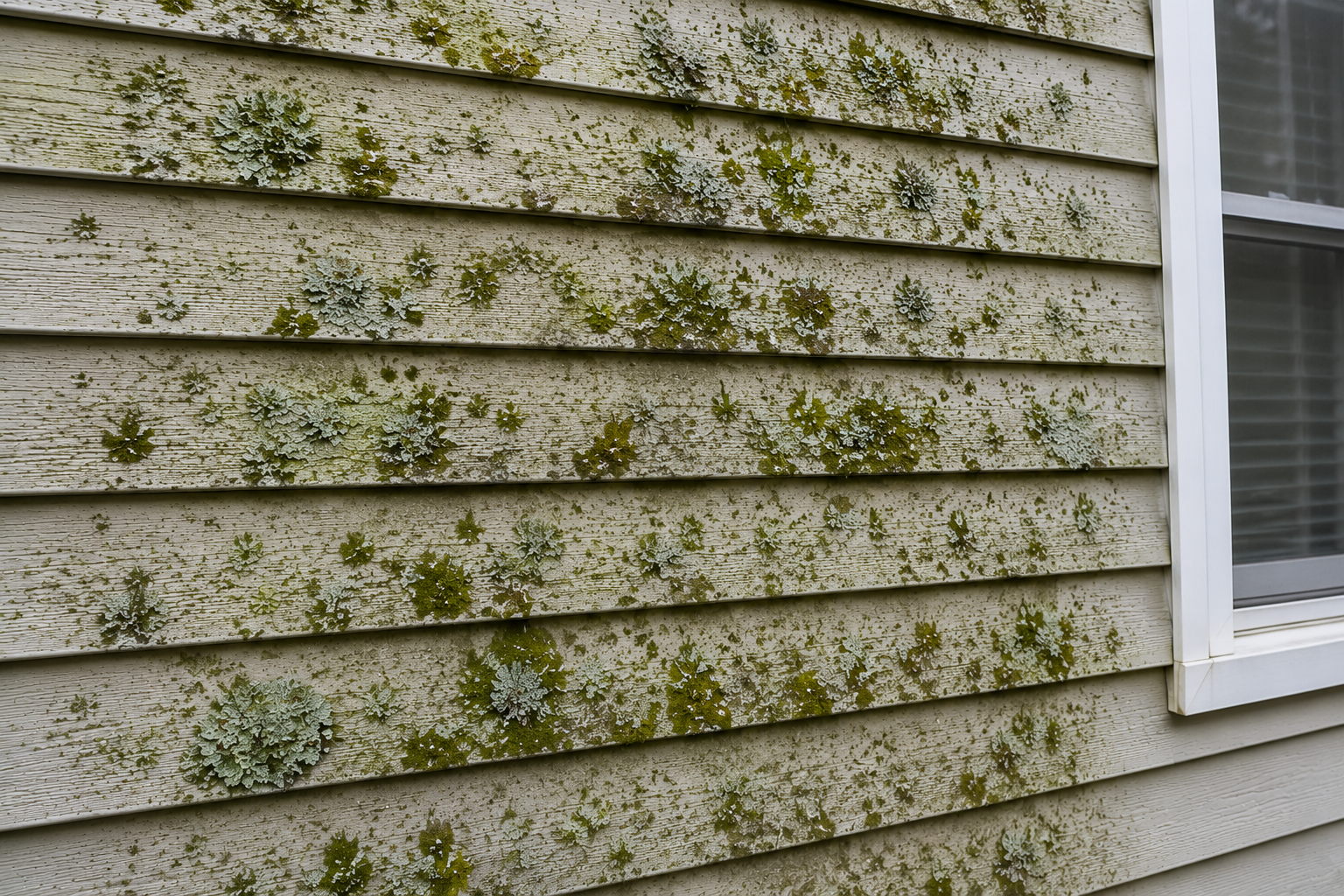
Moss and lichen are less common on vertical siding but frequently appear on retaining walls, masonry, decorative stone, roofs, and other constantly damp exterior surfaces.
Because they attach themselves firmly to the surface, these organisms often require specialized soft washing techniques that allow them to release naturally rather than relying on excessive pressure that could damage the material underneath.
Why Do Charlotte Homes Get Dirty So Quickly?
If you've ever wondered why your home seems to develop green algae, black staining, or mold faster than homes in other parts of the country, the answer lies in Charlotte's climate. Our region experiences a unique combination of warm temperatures, high humidity, frequent rainfall, and long growing seasons that create the perfect environment for organic growth to thrive.While every home is exposed to dirt and airborne contaminants, not every home provides the ideal conditions for algae, mold, mildew, and other microorganisms to multiply. Charlotte's weather, combined with the way many neighborhoods are landscaped, allows these organisms to remain active for much of the year.Let's take a closer look at why exterior surfaces become dirty so quickly in the Queen City
Frequent Rainfall Feeds Organic Growth
Rain doesn't just rinse your home—it also provides the moisture that living organisms need to survive.Every rainfall leaves behind moisture on your siding, trim, gutters, and other exterior surfaces. If those areas don't receive enough sunlight or airflow, they stay damp long after the storm has passed.Over time, repeated wetting creates ideal growing conditions for algae, mildew, and mold.
High Humidity Creates the Perfect Environment
Humidity is one of the biggest reasons Charlotte homes require routine house washing.Even when it hasn't rained, the air often contains enough moisture for exterior surfaces to remain damp for long periods. That lingering moisture allows algae, mold, and mildew to stay active and continue growing.Unlike dry climates where surfaces dry quickly, Charlotte's humid conditions can keep siding damp well into the afternoon, especially during the spring and summer months
Mature Trees Create More Shade
One of the things that makes many Charlotte neighborhoods beautiful is also one of the biggest reasons homes develop algae.Large oak, maple, and pine trees provide shade that keeps siding cooler and wetter throughout the day. Less direct sunlight means moisture evaporates more slowly, giving algae and mold more time to grow.Tree canopies also drop pollen, leaves, and organic debris onto your home's exterior, providing additional nutrients for microorganisms
North-Facing Walls Stay Wet Longer
If you've noticed that only one side of your home seems to turn green, you're not imagining things.North-facing walls receive significantly less direct sunlight than south-facing walls. Because they stay cooler throughout the day, moisture evaporates much more slowly.That's why many Charlotte homeowners first notice algae and mold appearing on the north side of their homes.
Charlotte's Long Growing Season
Unlike northern climates where freezing temperatures slow organic growth for months, Charlotte enjoys a relatively long growing season.Warm weather often begins early in the spring and extends well into the fall, giving algae and mold many more months to grow compared to colder regions.That means exterior surfaces can accumulate noticeable staining much faster if they're not maintained.
Pollen, Dust & Airborne Organic Matter
While pollen eventually washes away, it doesn't disappear immediately. Along with dust and other airborne particles, it settles on siding and creates an additional food source for organic growth.The cleaner your home's exterior remains, the fewer nutrients are available for algae and mold to feed on
Every Home Is Different
Not every home in Charlotte will become dirty at the same rate.Several factors influence how quickly organic growth develops, including: The amount of tree coverage around your home. Which direction each wall faces. How much direct sunlight your home receives. The surrounding landscape. Drainage and moisture retention. Air circulation around the property.Two homes in the same neighborhood can experience completely different levels of algae growth simply because of their location on the lot.
Conclusion
Charlotte's climate creates beautiful landscapes and lush neighborhoods, but those same conditions also make it one of the best environments for algae, mold, and mildew to thrive. Understanding why your home becomes dirty so quickly helps explain why routine soft house washing is more than just cosmetic maintenance—it's an important part of protecting your home's appearance and preserving its exterior over time.
How to Safely Remove Algae, Mold & Mildew from Your Home's Exterior
Finding green algae, black mold, or mildew on your home's exterior doesn't necessarily mean the surface is permanently damaged. In many cases, these contaminants can be safely removed with the proper cleaning products, techniques, and safety precautions. The key is understanding that different siding materials require different cleaning methods. Using the wrong chemicals or excessive water pressure can cause more damage than the organic growth itself.
Identify Your Exterior Surface First
Before selecting a cleaning product or pulling out a pressure washer, determine what type of exterior material your home has. Vinyl siding, fiber cement siding, stucco, painted wood, engineered wood, brick, and natural stone all have different cleaning recommendations.Most siding manufacturers publish care and maintenance guidelines that outline approved cleaning methods and products. Reviewing these recommendations before cleaning helps prevent accidental damage and may preserve any applicable product warranties
Choose a Cleaner Designed for Organic Growth
Algae, mold, and mildew are living organisms, not ordinary dirt. Household soaps alone often remove surface grime but may not effectively eliminate the organisms causing the staining.When selecting a cleaner, look for products specifically labeled for removing algae, mold, and mildew from exterior building surfaces. Always read and follow the manufacturer's directions regarding dilution, application methods, dwell time, and rinsing procedures.Never mix cleaning chemicals unless the manufacturer specifically states it is safe to do so.
Protect Your Landscaping Before Cleaning
Many exterior cleaning products can affect surrounding vegetation if they're allowed to dry on leaves or concentrate around plant roots
Before cleaning:
.Thoroughly water plants and grass around the work area.
.Cover delicate plants if recommended by the cleaning product manufacturer.
.Rinse landscaping periodically during the cleaning process.
.Give plants a final rinse after the project is complete.
Taking a few extra minutes to protect your landscaping can prevent unnecessary damage.
Avoid Excessive Water Pressure
One of the most common mistakes homeowners make is assuming more pressure produces better results.High-pressure water can crack vinyl siding, damage painted finishes, force water behind exterior panels, loosen trim, and shorten the life of certain building materials. In many situations, allowing the cleaning solution enough time to work is far more effective than increasing water pressure.Always use the cleaning method recommended for your specific siding material.
Work Safely
Exterior cleaning often involves water, chemicals, ladders, and slippery surfaces.
Before beginning any project:
.Wear appropriate eye protection and chemical-resistant gloves.
.Follow all safety instructions on the product label.
.Avoid working on windy days when cleaners may drift.
.Never spray electrical fixtures or outlets.
.Use extreme caution when working from ladders.
.Stop immediately if conditions become unsafe.
No cleaning project is worth risking an injury.
Inspect Your Results
After the surface has been thoroughly rinsed and allowed to dry, inspect the area carefully.
Light staining may require a second application if recommended by the product manufacturer. Avoid repeatedly increasing pressure to remove stubborn discoloration, as this can damage the exterior surface before improving the results.
Patience and following the product instructions generally produce better outcomes than aggressive cleaning techniques.
Know When It's Time to Call a Professional
Many homeowners can successfully clean light organic growth themselves. However, some situations are better handled by an experienced exterior cleaning professional.
Consider professional assistance if:
.The affected areas are on upper stories or difficult-to-reach locations. .Heavy organic growth covers large portions of the home. .
You are unsure which cleaning products are safe for your siding. .
.The project requires extensive ladder work.
.Previous cleaning attempts have not been successful
Recognizing when a project exceeds your comfort level is an important part of protecting both your home and your personal safety.
Conclusion
Removing algae, mold, and mildew from your home's exterior begins with understanding the material you're cleaning, selecting products designed for organic growth, following manufacturer recommendations, and prioritizing safety throughout the process. With the proper preparation and techniques, many homeowners can safely restore their home's appearance while avoiding the common mistakes that lead to unnecessary damage.
A Final Word
I hope this guide has helped answer some of the questions you may have had about the organic growth on your home's exterior and how to safely remove it. I understand that not every homeowner is in a position to hire a professional every time their home needs attention, and there's absolutely nothing wrong with wanting to tackle the job yourself.My goal in creating this Learning Center is simply to make sure you have reliable, easy-to-understand information so you can make the best decisions for your home. Whether you choose to clean it yourself or seek professional assistance, I hope you now have a better understanding of what you're dealing with and how to approach it safely and confidently